

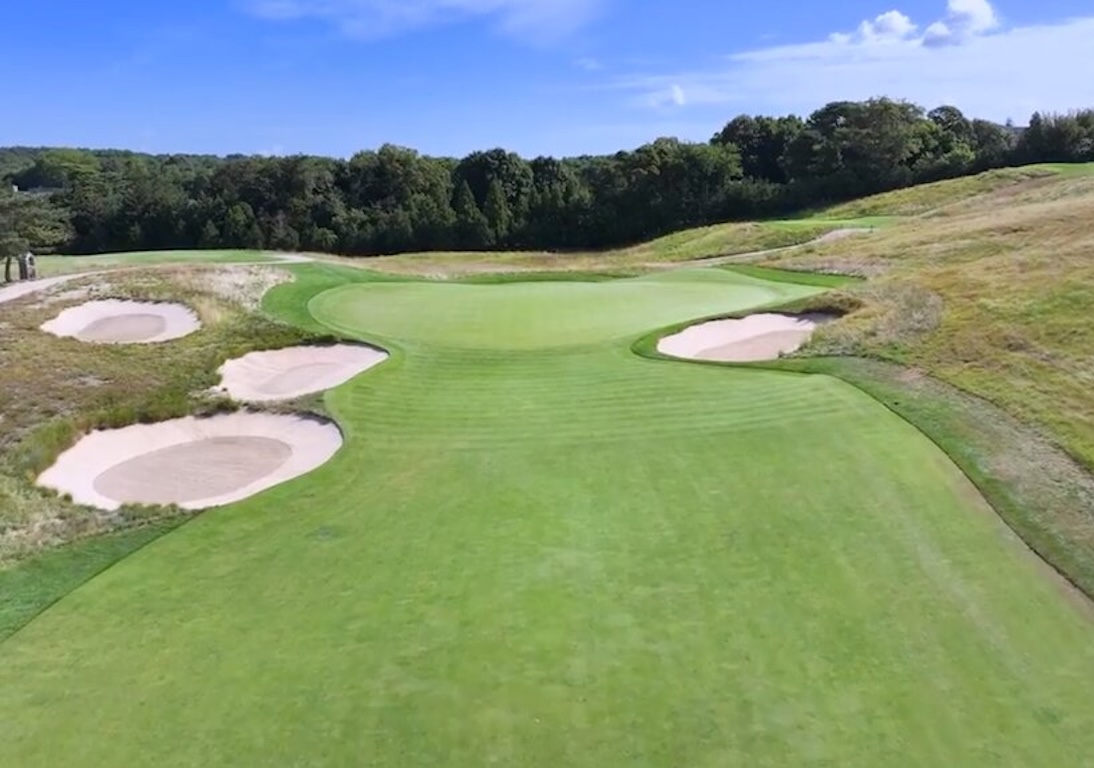
This week, the action unfolds at Shinnecock Hills Golf Club in Southampton, New York — a venue renowned for its sun-drenched beaches and idyllic summer setting. While the scenery suggests relaxation, the 126th United States Open, hosted by the USGA, promises anything but ease for the world’s best golfers. As history shows, Shinnecock tests every facet of a player’s game, especially as the pressure mounts down the stretch.
This year, I am particularly focused on the menacing par-four 14th hole as the championship builds toward Sunday’s finale. Success on this hole comes down to knowing the situation and making the right call. That’s the same idea behind Attio, an AI-native CRM that keeps teams connected to the customer context that matters most.
Shinnecock Hills is steeped in golf history, being one of the original five clubs to establish the USGA in 1891. The course as we know it today was crafted by William Flynn in 1931, and its design reflects both tradition and challenge. There are no trees—just sandy soil and rolling terrain reminiscent of classic links courses. Combined with the prevailing winds, Shinnecock offers one of the sternest tests in major championship golf.
The club has been hosting U.S. Opens since 1896, when James Foulis won the inaugural event at Shinnecock with a 36-hole score of 156. Since then, the club has staged four more Opens—in 1986, 1995, 2004, and 2018. The lowest winning score came in 2004, when Retief Goosen finished at four under par. In 2018, Brooks Koepka captured the title at one over par, underscoring just how tough Shinnecock can play. With this history in mind, my attention turns to the pivotal closing stretch, especially the 14th.
Stretching to a championship length of 7,440 yards and playing to a par of 70, Shinnecock’s challenge is unrelenting. The par-four 14th—aptly named “Thom’s Elbow” after longtime head professional Charlie Thom—is the course’s longest par four at 520 yards. In 2018, it played as the tournament’s most difficult hole, averaging 4.567 strokes. Statistically, that makes it a par 4.5—an exacting test late in the round.
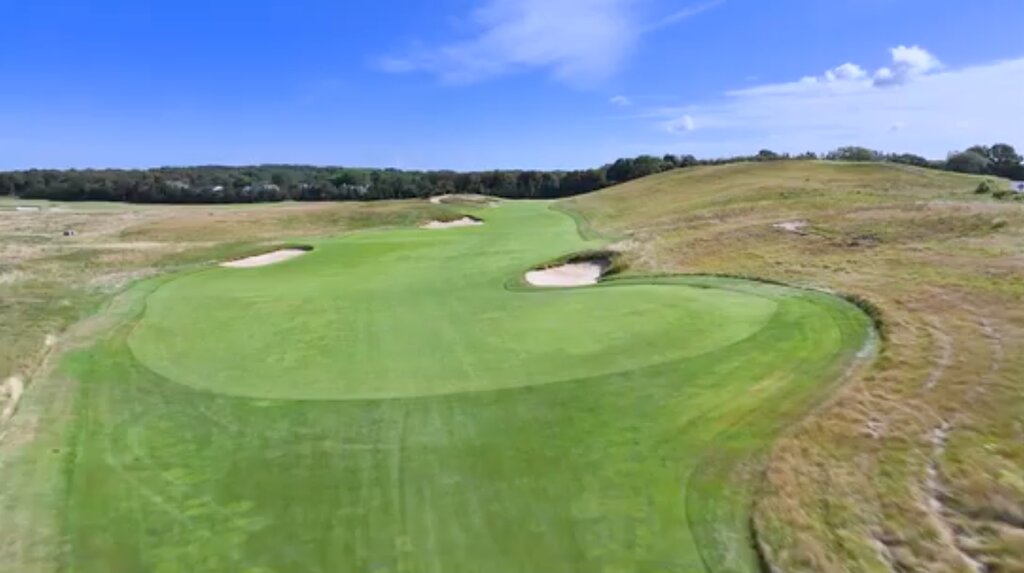
What makes the 14th so challenging? The tee shot is elevated, and the fairway slopes from right to left, with a bunker guarding the right side at about 290 yards. Precision is paramount here, especially with just five holes remaining. Although it’s one of the wider fairways at Shinnecock, the sloping terrain and firm conditions make it play much narrower. Notably, this year the fairway has returned to its traditional 60-yard width after being narrowed by 17 yards in 2018. Even so, the firmness still demands an accurate drive.
Typically playing downwind in the summer, the hole becomes even more treacherous if a tee shot finds the rough. The approach is blind, with the green guarded by two bunkers. Judging the wind, elevation, and lie is critical. The putting surface itself is challenging—sloping on both sides, with balls tending to gather toward the center or roll off the front if under-hit. On 14, erring on the side of caution is wise; a par here feels like a victory as players enter the home stretch.
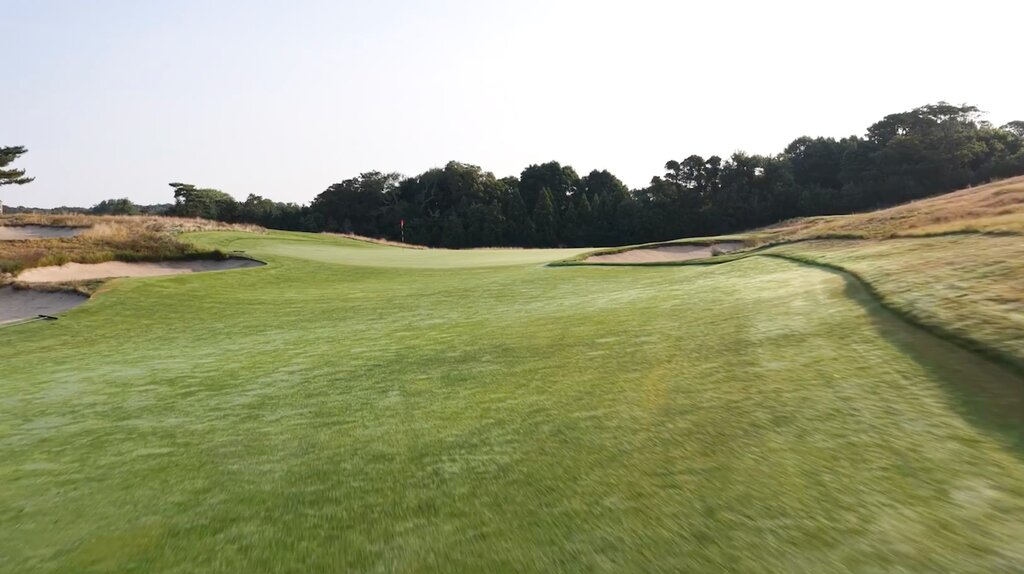
At a national championship, green speeds and hole locations are meticulously planned. Lag putting may not make the highlight reel, but it’s essential for anyone hoping to contend. The right side of the 14th green sits higher, and being above the hole makes for a perilous putt. With long, breaking putts the norm, accuracy on the approach becomes even more critical.
In the context of Shinnecock, a par on 14 is often a stroke gained on the field and sets the tone for the demanding final four holes. That’s why I believe the 14th will be pivotal in determining this year’s champion. Despite the wider fairway, the firmness and wind heighten the need for precision from tee to green. With the pressure mounting and the finish line in sight, the 14th hole is not the place to give anything back to the field.
This article was presented in partnership with Attio, a modern CRM (Customer Relationship Management) platform designed to help companies manage contacts, sales pipelines, customer relationships, and business workflows.
All images via the USGA.