

Rickie Fowler is “xperimenting.”
For those who didn’t get the reference, Fowler decided to switch things up on the greens at last week’s Travelers Championship, benching his Scotty Cameron GoLo 7 center-shafted putter for a new Xperimental Phantom 11+ prototype. It’s larger profile shape also featured a center shaft, but it was nothing out of the ordinary for Fowler, who also played another oversized mallet in the L.A.B. Golf DF2.1 just last year.
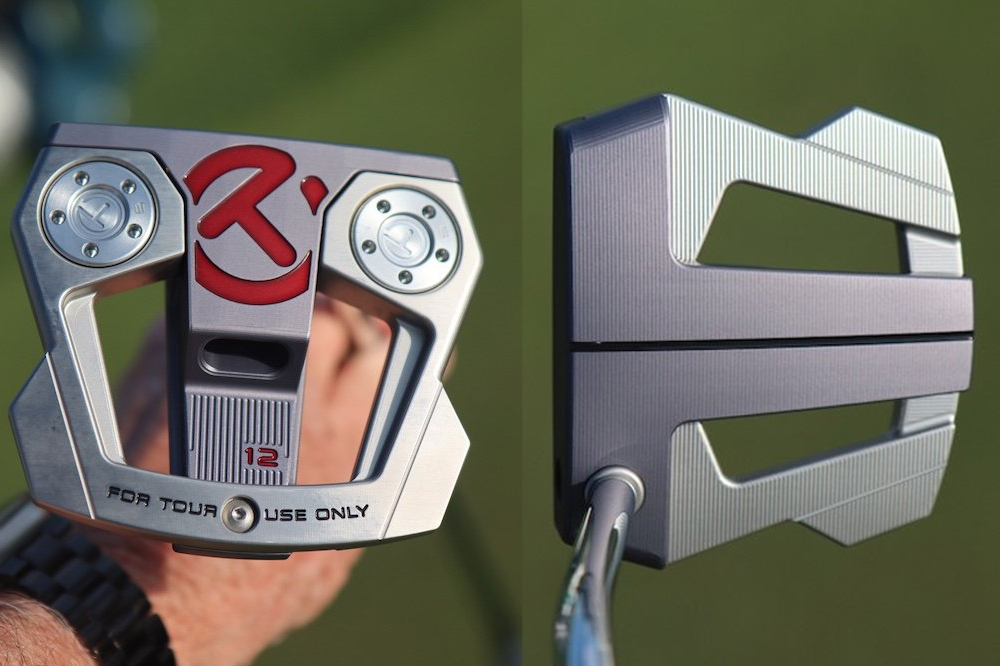
One week later at the John Deere Classic, and the tinkering continues; this time, Fowler’s deciding on both a new head and shaft. Sticking with a Scotty Cameron, Fowler’s rolling with the newly released Phantom 12 head in a single-bend configuration.
In fact, the putter that Fowler used during the first round at TPC Deere Run was one of the putters on the Scotty Cameron bags that line the practice putting greens week-to-week on the PGA Tour to show off newer putter styles. Fowler spent plenty of time working with the stock Phantom 12 on the GRASP Smart Putting Gate – a new putting aid covered in last week’s “Inside the Ropes” episode – and saw positive results with tighter aim and start lines.
“I mean, start line for the most part and then consistency on speed, you know, there’s, there’s really only a few variables in putting,” Fowler said during an on-course interview Thursday. “It’s fairly simple if you start to break it down, but if one of the variables is off, it doesn’t matter how good the other ones are.
“So, start line is very important as well as consistent speed. So those were two of the main things working on the gate there and, so yeah, trying out a new putter where I was seeing a lot of, a lot of benefits in the start line and like I said, the consistent speed.”
A Scotty Cameron Phantom 12 single-bend spotted earlier in the season. (GolfWRX)Fowler’s second putter switch of the year comes during his best season on the greens since 2019, and he ranks 40th on Tour in Strokes Gained: Putting.
The Phantom 12 putter won the race into Fowler’s bag over a pair of custom center-shafted Scotty Cameron blades. Both were Craftsman Squareback heads featuring the Bullet Sole cavity. See all the in-hand images of the putters here.
Speaking of custom Camerons…
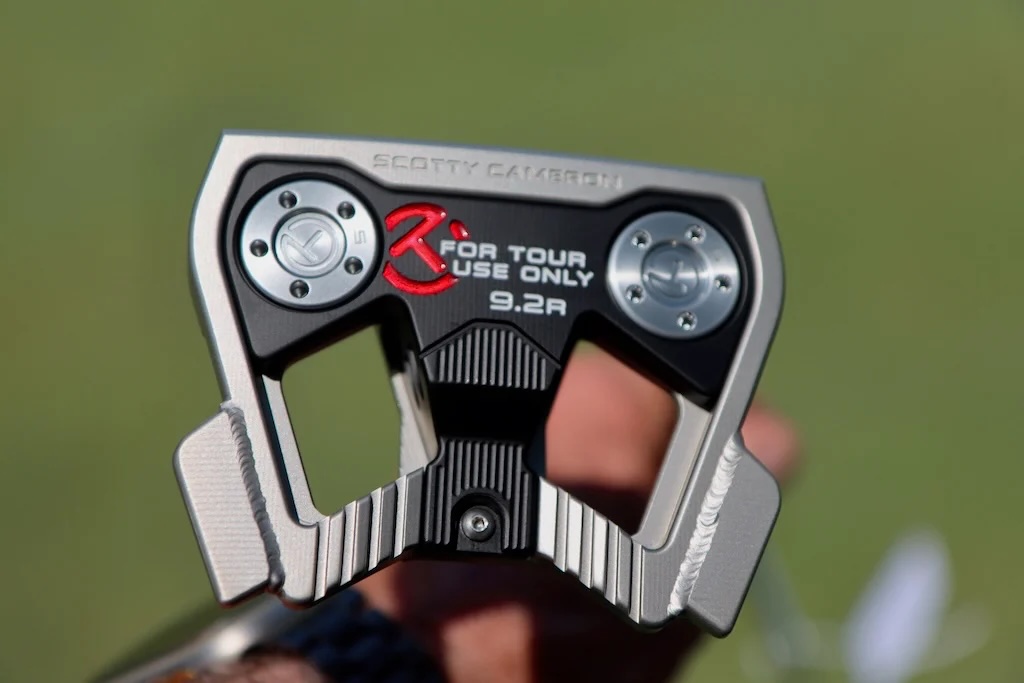
There was no rest for the Scotty Cameron team heading into the holiday week, with plenty of other custom builds on display in Silvis, Illinois. J.T. Poston, who recently won the Memorial tournament playing a TaylorMade Spider Tour X, was given a custom Scotty Cameron Phantom 9.2R prototype to test on the greens at TPC Deere Run. This putter is very similar to that of the one Robert MacIntyre played for a few rounds earlier this summer, featuring the custom face, which is an aluminum insert with the standard milling found on other Scotty Camerons, but also with the addition of horizontal grooves.
The head itself has a custom-welded plumber’s neck, and additionally, two welded wings on either side of the putter’s rear, a style we first saw on MacIntyre’s putter as well. Check out the full gallery here.
Moving on to Haotong Li’s custom Scotty Cameron, he was given the new Phantom 3 head, which we’ve seen in the hands of Ludvig Åberg and Ryan Gerard already on Tour. Li’s flatstick features a welded center shaft, Studio Carbon Steel face insert and a single white alignment line that really pops with the torched finish to the head.
See all the images of Li’s putter here and the rest of the custom Scotty Camerons at the John Deere.
Hulk Green
If there was ever a week to tour launch a shaft named “Green,” then potentially the John Deere Classic would be the location of choice.
Project X continues the rollout of Titan wood shaft with the addition of the Green profile, joining both Black and Yellow out on the PGA Tour, which have seen instant success, with Titan Yellow winning on debut for Wyndham Clark at the CJ Cup Byron Nelson and then again on the grandest of stages at the U.S. Open.
Now at the John Deere, Titan Green joins the family as the lowest launching, lowest spinning profile in the lineup, engineered for the strongest, most penetrating flight, and continues the tradition of being a green colored “spin killer” in the Project X Family.
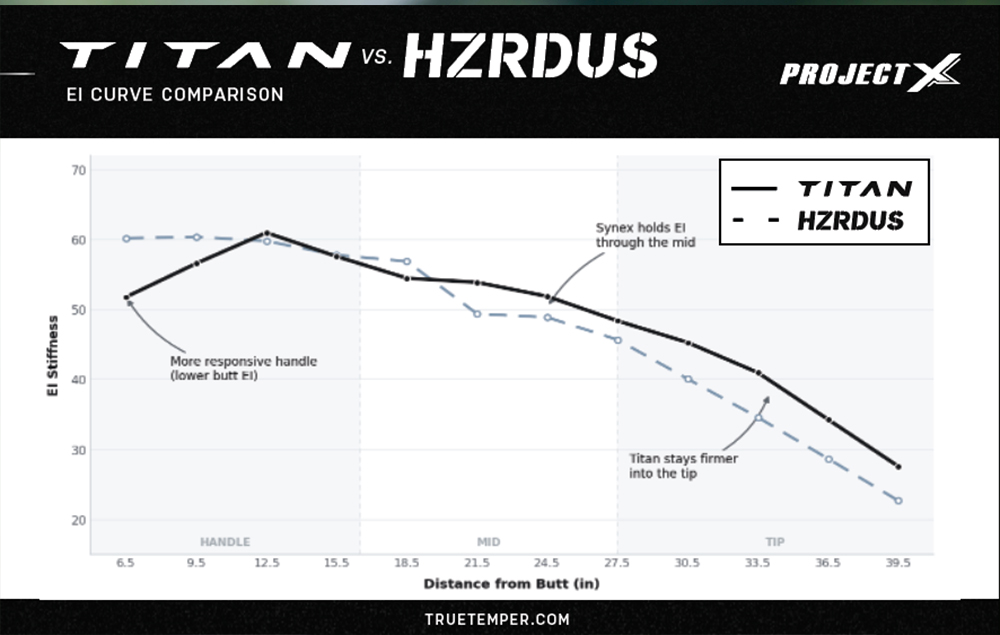
The Titan family tells its story through the EI curve, and while spec sheet data show that each Titan shaft is similar in numbers to the HZRDUS predecessor, the EI curve explains the shaft’s stiffness at multiple points along its length, from the handle to the tip, mapping exactly how it bends under load.
With the Titan lineup, the shafts feature a more elastic handle section, but with the addition of SYNEX technology and reinforcing the shaft’s outer structure with a multi-axial carbon fiber matrix, the handle doesn’t feel softer, but can be felt more in the hands. The mid and tip sections are stiffer than previous lines to help the shaft stay present with faster swing speeds.
Check out the full breakdown of the Titan family here.
New clubs spotted
Who would have thought that the John Deere during the week of the Fourth would be a melting pot for new gear on Tour. Well, with the addition of Project X’s new Titan Green, step up TaylorMade and PXG.
First, our Tour Photographer Greg Moore was on-site capturing bags with plenty of new goodies worth seeing. Firstly, in Davis Chatfield’s bag were what could be the latest editions of TaylorMade’s Hi-Toe wedges. From a glance, it looks like the wedge team at The Kingdom has improved the leading edge and reduced offset considerably, but this could just be a Tour-only option.

Along with the new wedges on display, a version 2 of the PXG Secret Weapon was spotted in the bag of big-hitting South African Aldrich Potgieter. Still using the quad-weighting design, the sole looks to have been reworked, with a new bridge running across adjacent to the face.
Odds and Ends
Daniel Berger and Aaron Wise became the latest non-Titleist staffers to add the GTS driver lineup to their bags. Berger moved into the GTS4 at 10 degrees and Wise added the GTS3 at 10 degrees also. In total 44% of drivers in play are Titleist. It must be TRTL nesting season on Tour, with Mark Hubbard moving to a slant neck with a short top line, while Webb Simpson is the first to use a broomstick-length version.